Loudspeakers

Klipsch

Horn-loaded American loudspeakers, in production since 1946. Absolute Sound is the distributor for Klipsch in Singapore.

Loud on very little power

Paul Klipsch built his first corner horn in a tin shed in Hope, Arkansas, in 1946, working from a simple physical argument: a horn moves more air for less power, and a room’s corners can be made part of the loudspeaker rather than a problem for it. The Klipschorn that came out of that shed has been in continuous production ever since, the longest unbroken run in the industry. The same principle still runs through the range, from the Heritage cabinets to the powered monitors, and it is why a Klipsch system asks so little of the amplifier in front of it.
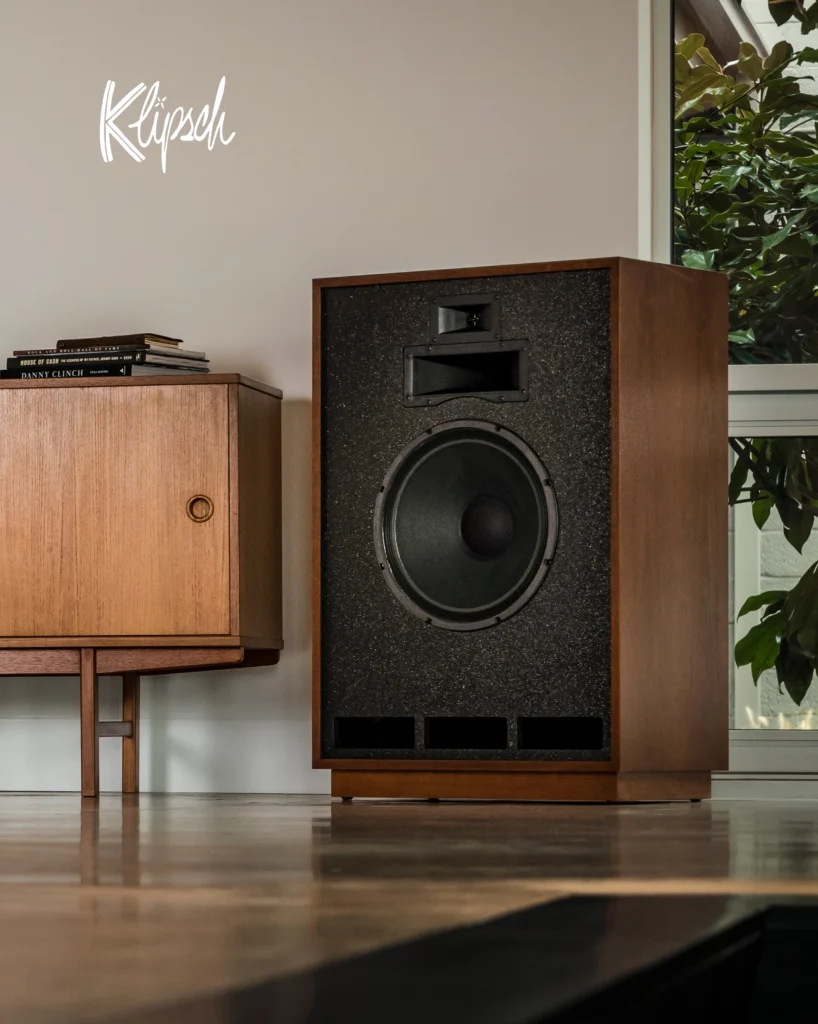
Klipsch horn-loaded floorstanding speaker in a walnut cabinet beside a mid-century sideboard in a bright room.

Since 1946

The Klipsch story

Watch how Klipsch presents its sound and the founder’s philosophy behind it.

Film by Klipsch, 1 min.

The Klipsch range

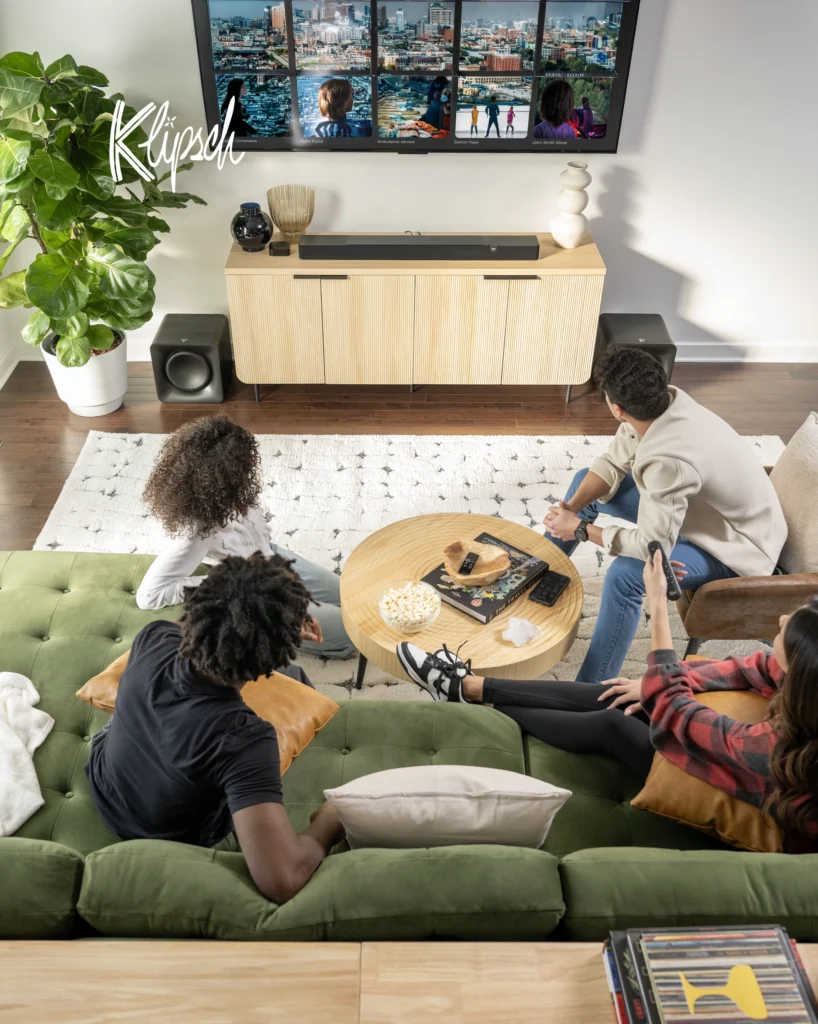
Family on a green sofa watching television, with a Klipsch soundbar and subwoofer on a light wood cabinet.
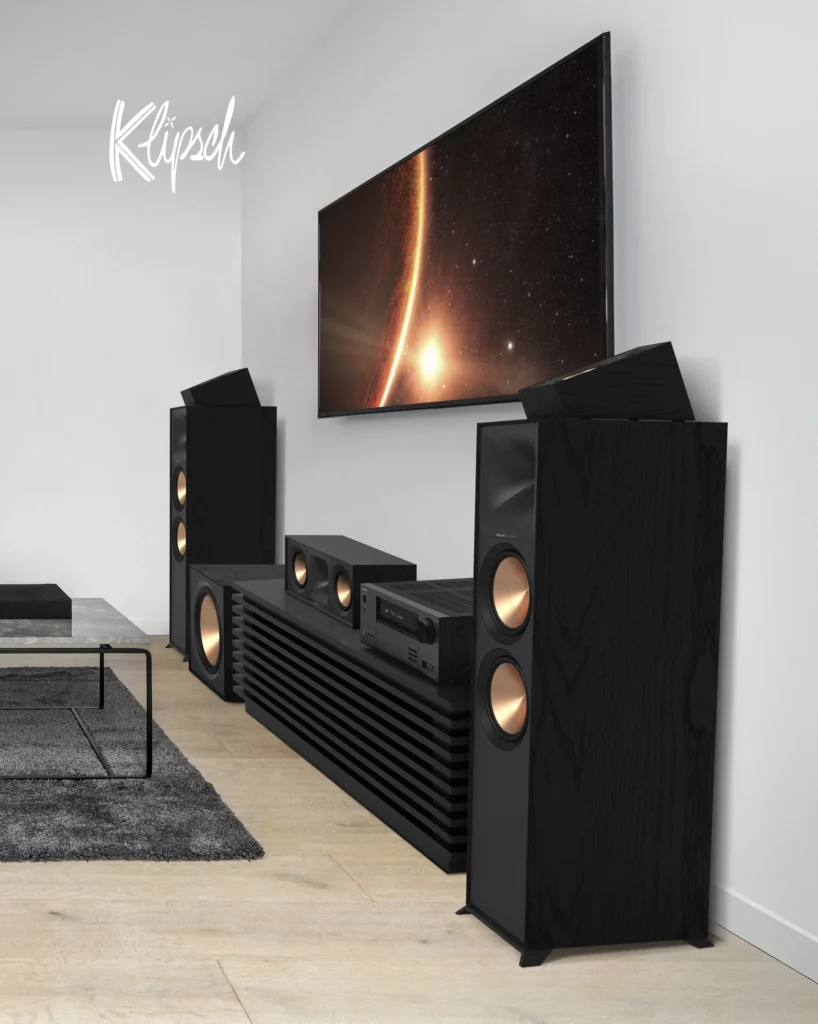
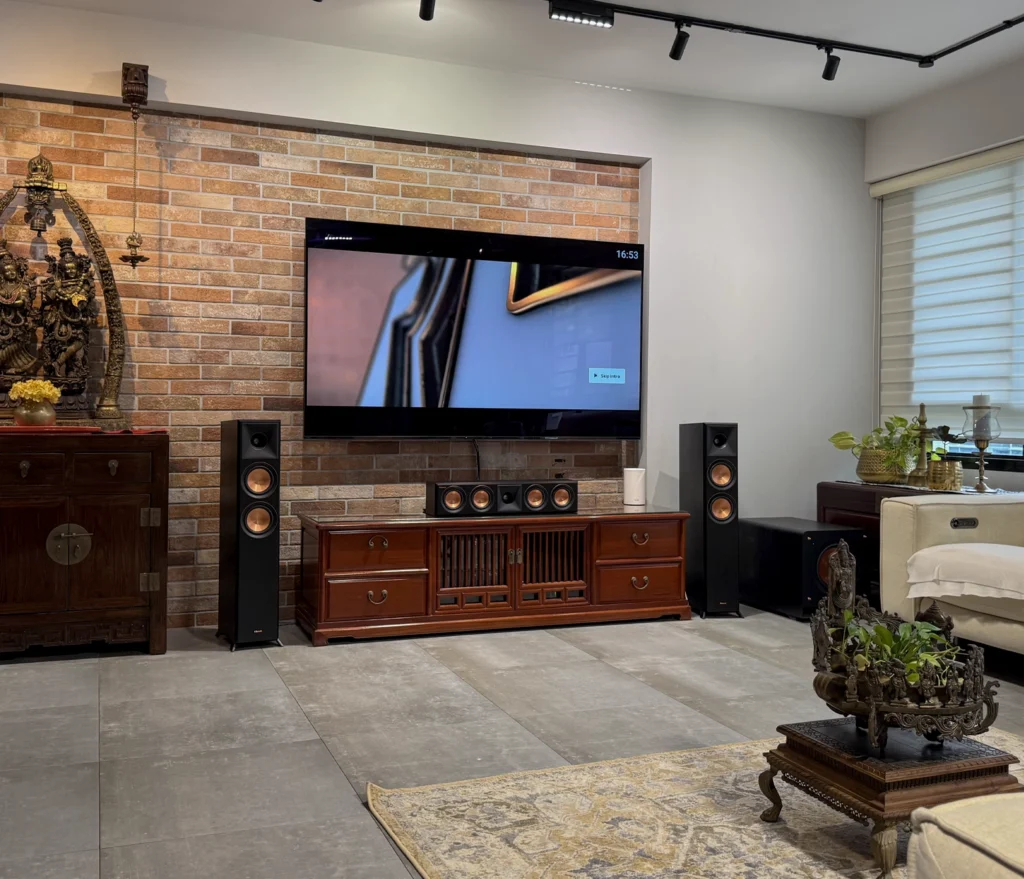
Klipsch home theatre with black floorstanding speakers, a centre channel and a wall-mounted television.
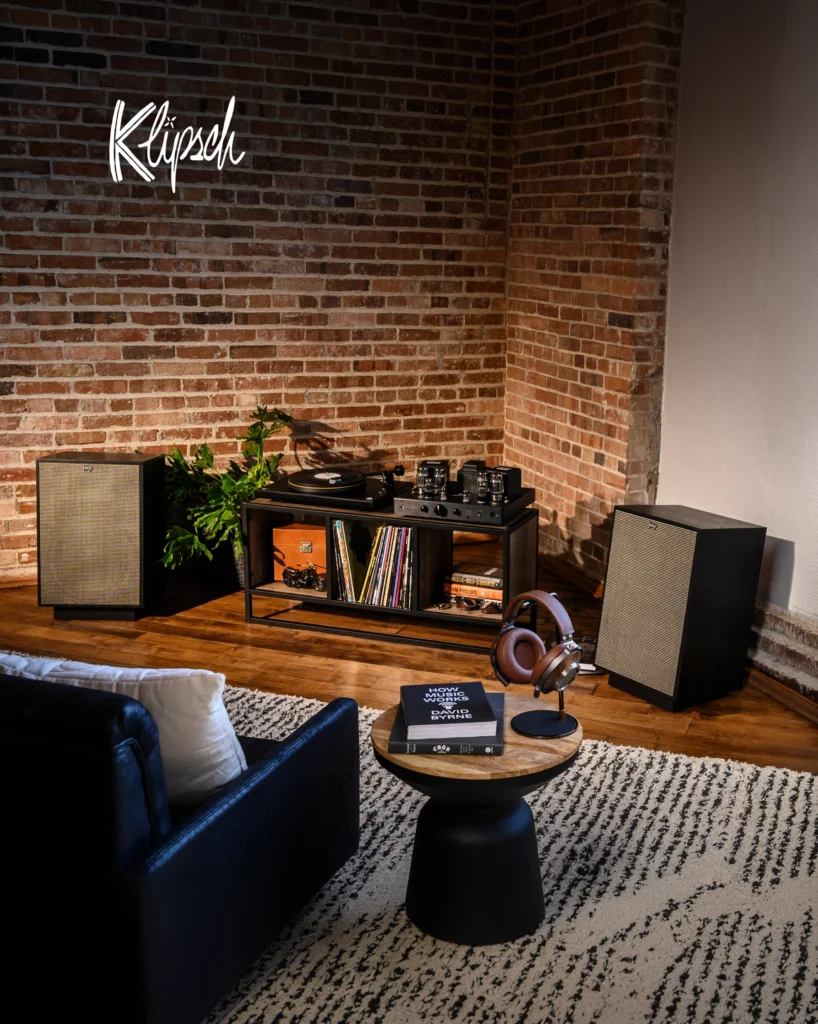
Klipsch speakers either side of a turntable and valve amplifier on a record shelf in a brick-walled room.

HeritageKlipschorn, Cornwall, Forte and Heresy

Reference PremiereFloorstanding, bookshelf and centre channel

ReferenceThe compact end of the same range

The Fives, Sevens and NinesPowered stereo, no separate amplifier

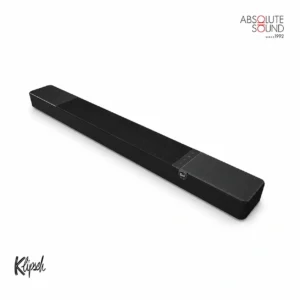
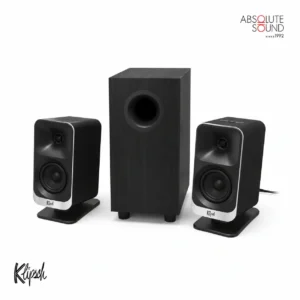
Soundbars and wirelessTelevision sound and powered speakers

Custom installationIn-wall and in-ceiling, finished flush

Model-by-model specifications live on the manufacturer’s site: klipsch.com

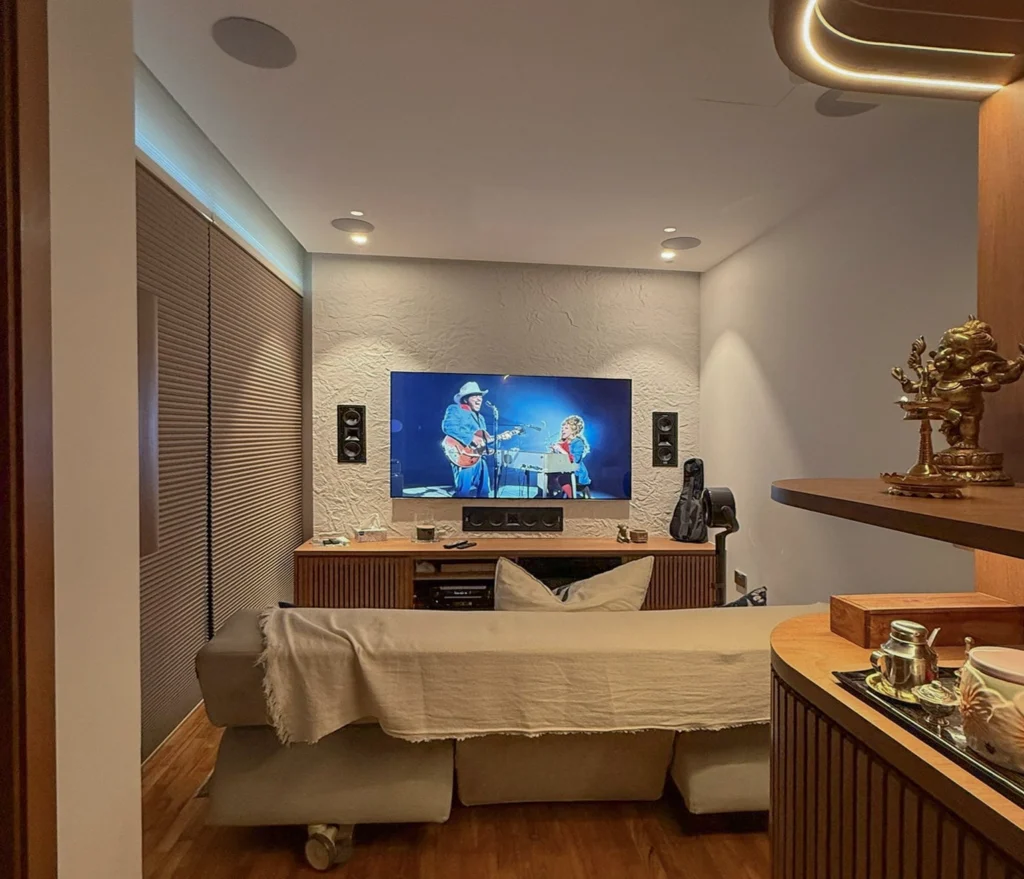
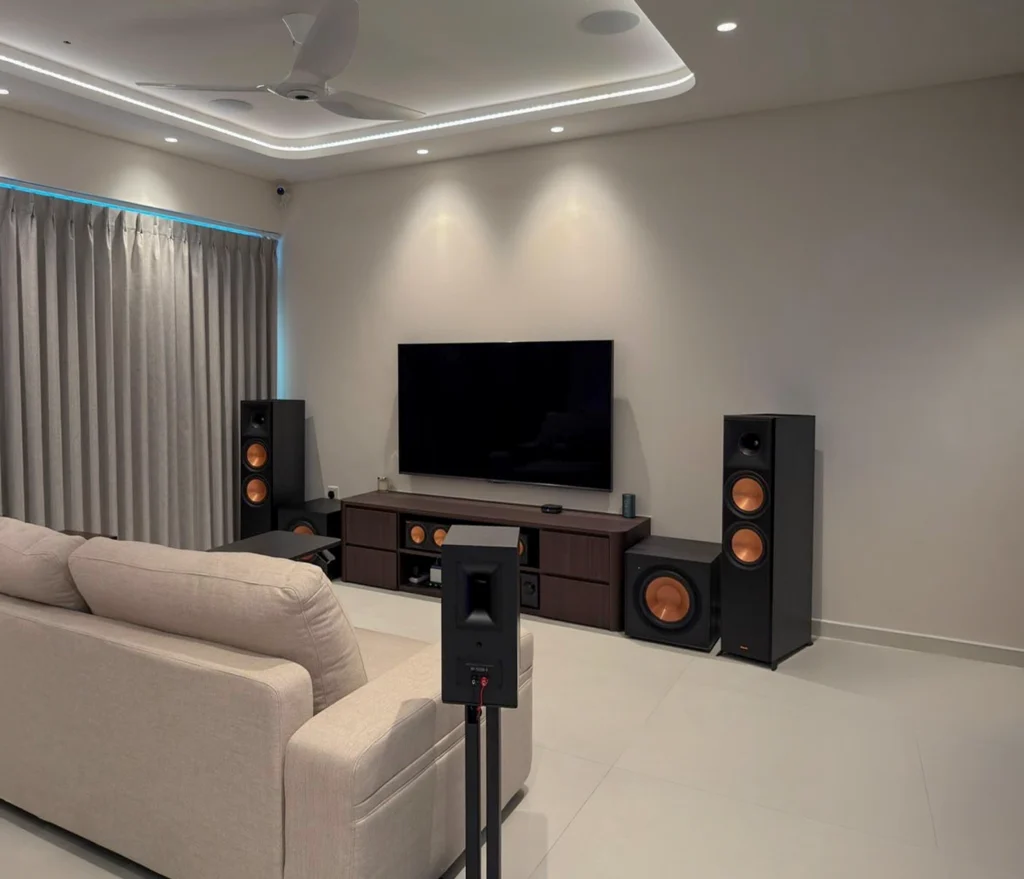
Klipsch in our projects

Common questions about Klipsch

What does horn loading actually change?

A horn puts a shaped path between the driver and the room, so more of the amplifier’s power reaches you as sound rather than heat. In practice a Klipsch speaker plays louder on fewer watts and holds its composure when the music turns sudden. It is also why the cabinets are large.

Why does the Klipschorn have to sit in a corner?

Because the corner is part of the loudspeaker. Paul Klipsch designed the two walls and the floor to form the final section of the bass horn, which is how a cabinet of that size produces the bass it does. It wants a reasonably square, solid corner to work as intended. The rest of the range has no such requirement.

Will Klipsch speakers work with a low-powered amplifier?

Usually, and that is much of the appeal. Klipsch loudspeakers are unusually efficient, so they reach a satisfying level on a few watts. That opens up low-powered valve amplifiers which would struggle with most modern speakers. Tell us what you are running and we will say honestly whether it suits.

Are Heritage models still made in the original Hope, Arkansas factory?

Yes. Klipsch moved most manufacturing to Indianapolis in 2000, but the Heritage line is still hand-built at the original Hope, Arkansas factory where Paul Klipsch made the first cabinet. That line covers the Klipschorn, Cornwall, Heresy and Forte. It is why a Heritage speaker costs what it does: assembly by hand rather than by machine.

Hear Klipsch for yourself

Come and hear Klipsch at our showrooms. Tell us what you would like to listen to and we will have it playing when you arrive.

START A PROJECT

Let's talk

Tell us a little about your space and how you’d like to listen.