
Magnepan
Magnepan builds planar-magnetic loudspeakers in Minnesota, replacing the cone and box of a conventional speaker with a thin diaphragm suspended in a magnetic field. Absolute Sound is the distributor for Magnepan in Singapore and Malaysia.
Sound from both sides of the panel
The company began with a magnetic answer to a different technology. Jim Winey, an engineer at 3M, owned electrostatic speakers and set out to build a better version of one: a magnetic equivalent, using a diaphragm driven by an array of magnets across its whole surface rather than a static charge or a single-point cone. He founded Magnepan in 1969 and brought the design to market as the Timpani 1U in 1971. The design radiates sound from the front and the back of the panel at once, which is why a Magnepan speaker tends to disappear as a physical object in a room. There is no cabinet to add its own colour and no single point for the ear to fix on. The company remains family-run, now under Winey’s son, Mark Winey, with every panel still assembled by hand.
The Magnepan range
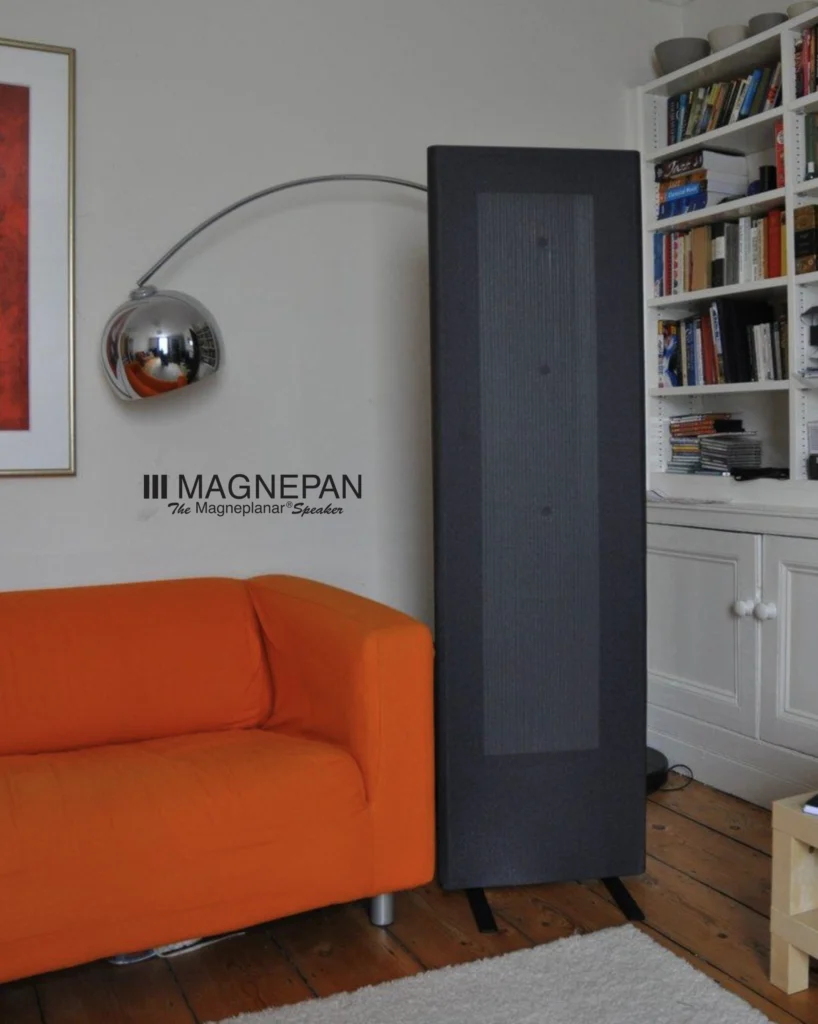
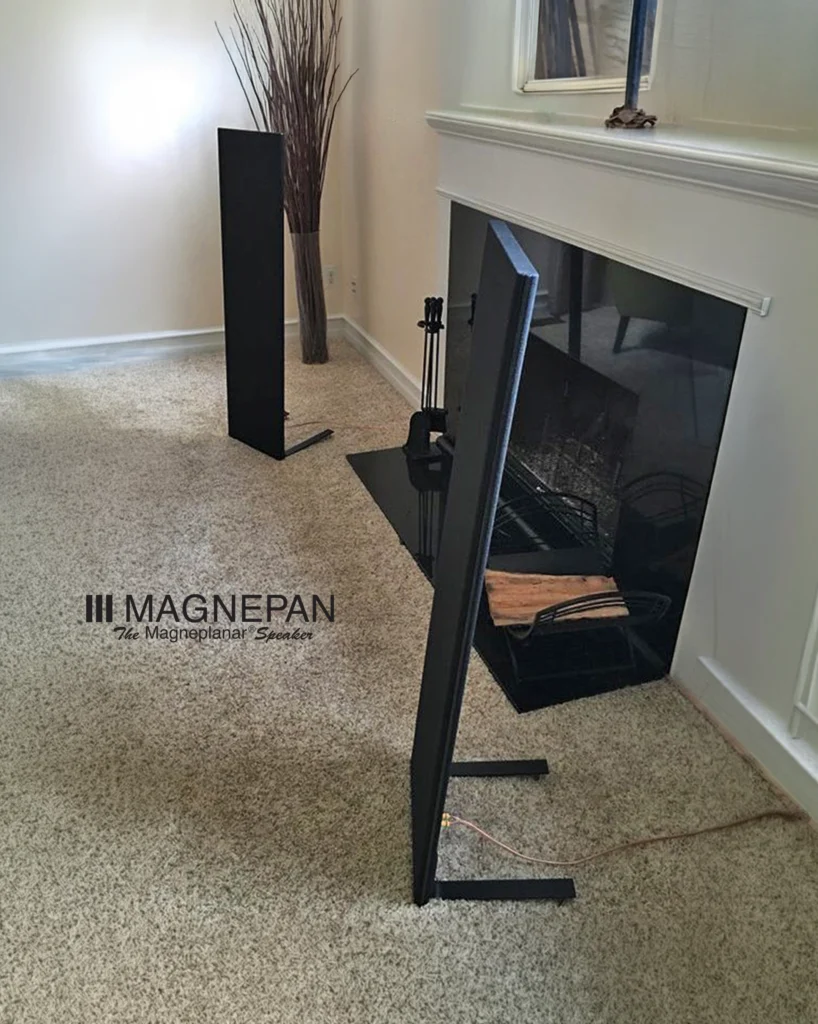
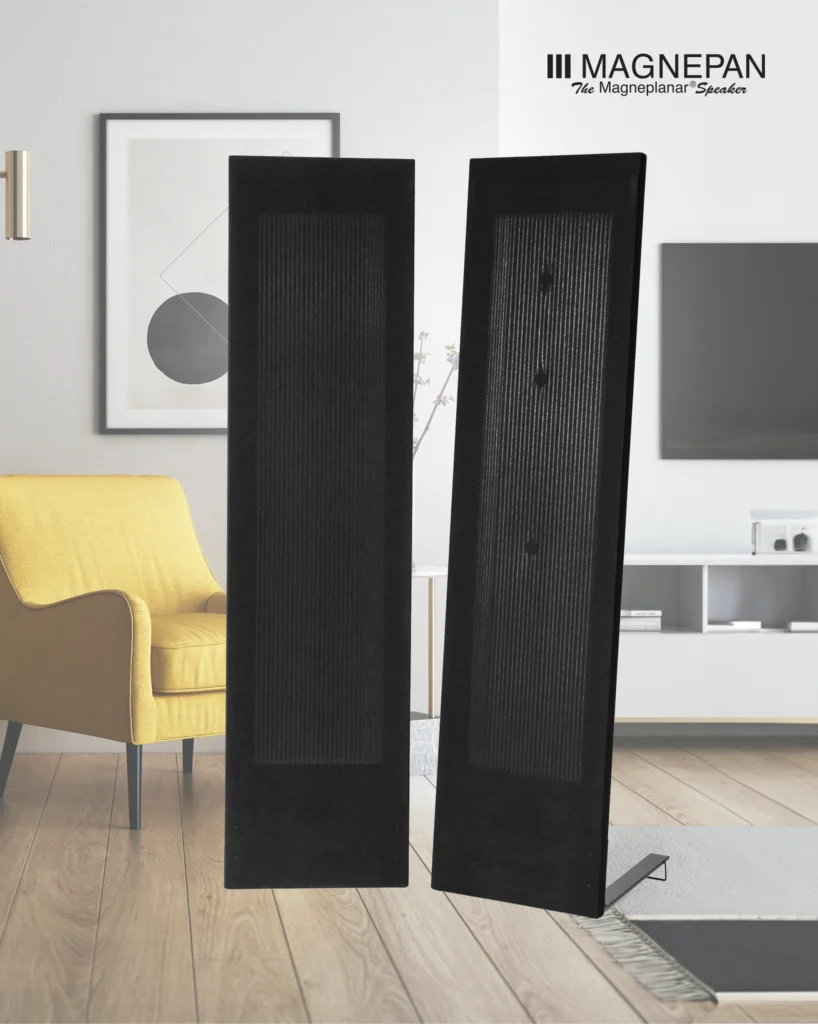
LRS+the entry point into planar-magnetic sound, compact enough for a bedroom or a second room.
.7a compact floorstanding model built to the same principle.
1.7ithe mid-size model most often recommended as a first full-range Magnepan.
2.7ia three-way panel with Magnepan’s True Ribbon tweeter, one step below the top of the range.
3.7ithe reference model below the flagship, where the True Ribbon tweeter first entered the range.
30.7the flagship, a four-panel design and Magnepan’s most ambitious loudspeaker yet.
Model-by-model specifications live on the manufacturer’s site: magnepan.com
Common questions about Magnepan
What is a planar-magnetic speaker?
Do Magnepan speakers need a particular kind of amplifier?
Do Magnepan speakers need to sit away from the wall?
Why are Magnepan speakers nicknamed “Maggies”?
Hear Magnepan for yourself
Come and hear Magnepan at our showrooms. Tell us what you would like to listen to and we will have it playing when you arrive.