
Transrotor
Founded in 1971, Transrotor is Germany’s oldest turntable manufacturer, still owned and run by the family that started it. Absolute Sound is the distributor for Transrotor in Singapore and Malaysia.
One family, one workshop
Transrotor’s workshop sits in Bergisch Gladbach, near Cologne, where founder Jochen Räke set up after years spent modifying and importing turntables from British makers including Transcriptor and Michell. His son Dirk Räke now runs the company, and the philosophy has not moved: every turntable is built by hand, from chassis machined in acrylic, aluminium or POM plastic through to Transrotor’s own magnetic-bearing drive systems, engineered to isolate the platter from motor vibration rather than resist it mechanically. Transrotor also builds its own tonearms and offers cartridges under its own name, so a system can be specified almost entirely from the one workshop.
The Transrotor range
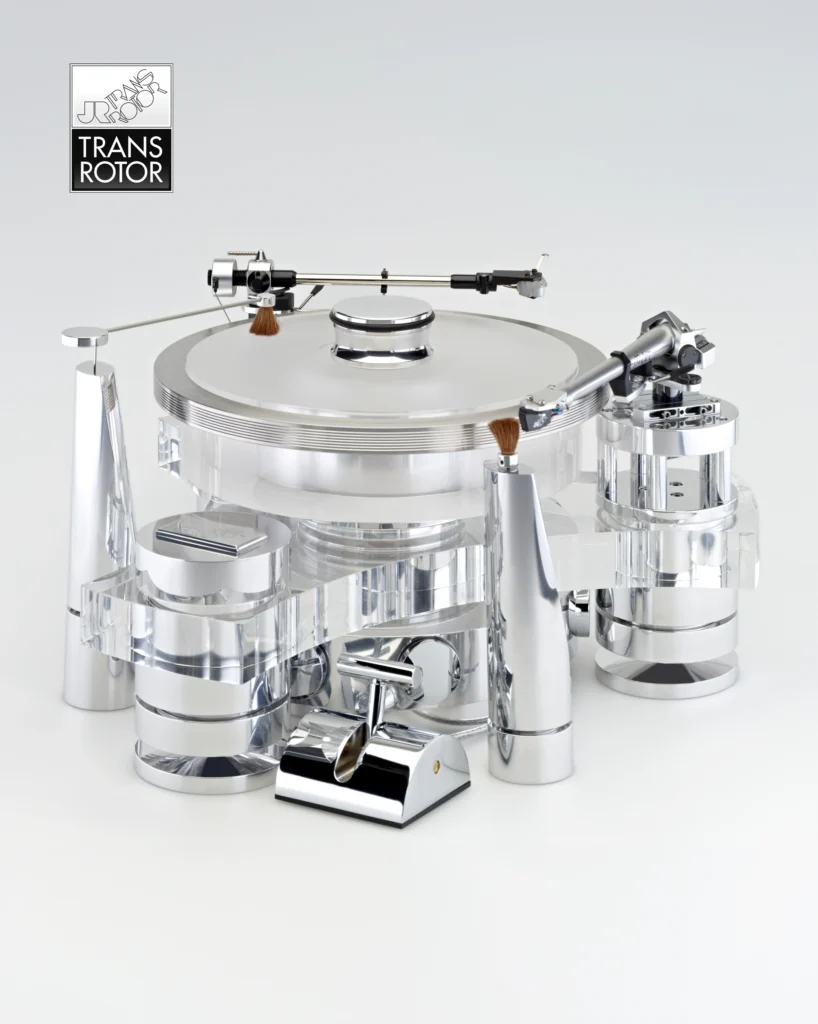
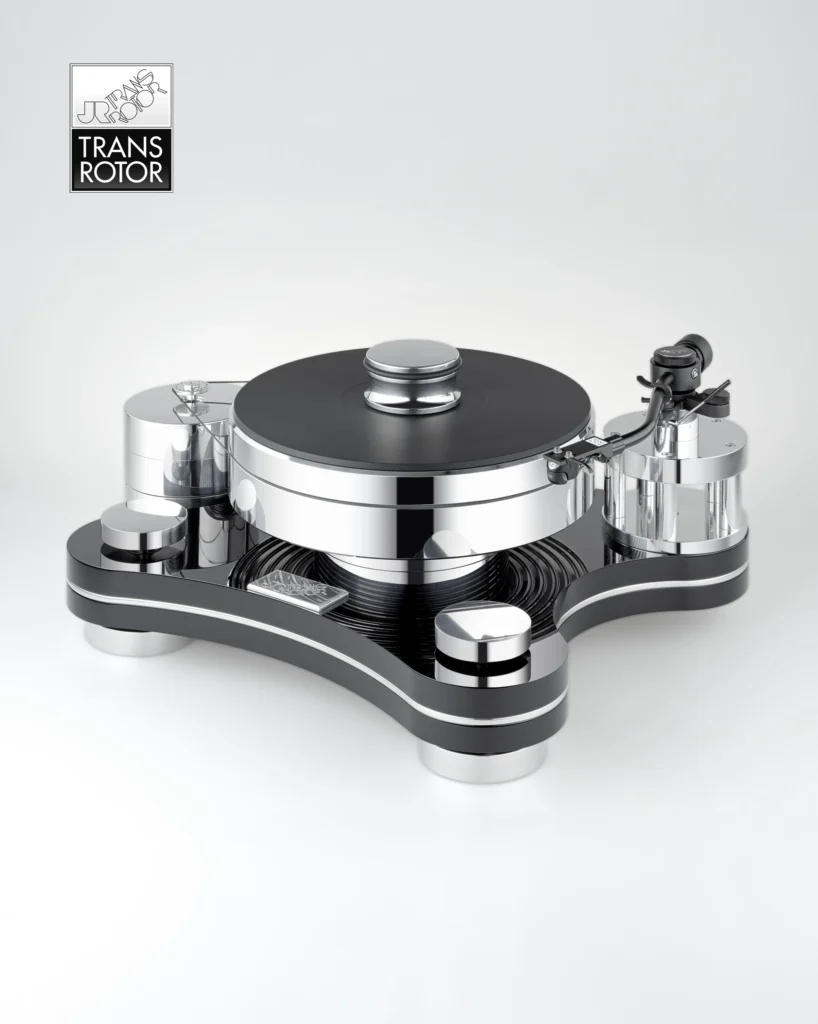
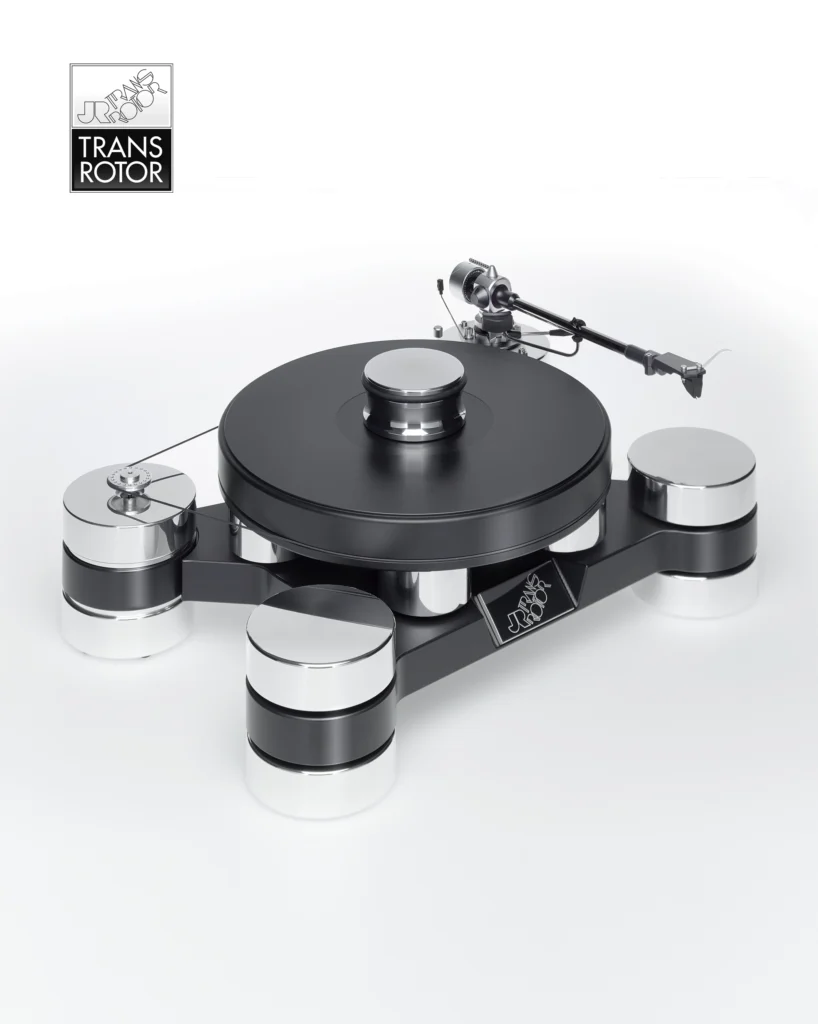
Maxthe entry point into the range, built around an outboard motor kept off the chassis so it cannot pass vibration into the platter.
ZETchassis in polished acrylic and aluminium, the material pairing most associated with the Transrotor look.
Dark Stara single-material design in POM plastic, from chassis to platter to weight, upgradeable to Dark Star Reference.
TMD modelsAlto, Massimo Nero, Fat Bob S, Bellini and Orion Reference, built around Transrotor’s own magnetic bearing, which couples the platter to its sub-platter through neodymium magnets rather than a mechanical link.
FMD modelsRondino, Tourbillon, Artus and Metropolis, the contact-free Free Magnet Drive turntables at the top of the range.
Tonearms and electronicsthe TRA 9 and TRA Studio tonearms, introduced after five decades of building turntables, plus the KONSTANT and PHONO phono preamplifiers.
Model-by-model specifications live on the manufacturer’s site: transrotor.de
Common questions about Transrotor
What is the difference between Transrotor's TMD and FMD drive systems?
Why do so many Transrotor turntables use acrylic?
Does Transrotor make its own tonearms and cartridges?
Hear Transrotor for yourself
Come and hear Transrotor at our showrooms. Tell us what you would like to listen to and we will have it playing when you arrive.