
dCS
British digital audio, engineered from first principles by a company that started in radar and defence electronics. Absolute Sound is the distributor for dCS in Singapore and Malaysia.
From radar to the Ring DAC
dCS was founded in Cambridge, England, in 1987 by Mike Story, an Oxford physics graduate, initially as a consultancy in digital signal processing for aerospace and defence, including radar systems for the Royal Navy. That work led to some of the earliest 24-bit digital converters built for professional recording studios, and by the mid-1990s the company had brought the same engineering into the domestic hi-fi market. Every dCS product since has been built around the Ring DAC, a conversion system the company designs and manufactures itself rather than buying in an off-the-shelf chip. That is why a dCS system can be upgraded years after it leaves the factory.
The APEX technology
The Ring DAC, refined
Watch how dCS presents the Ring DAC APEX and the engineering behind the upgrade.
Film by dCS Audio, 4 min.
The dCS range
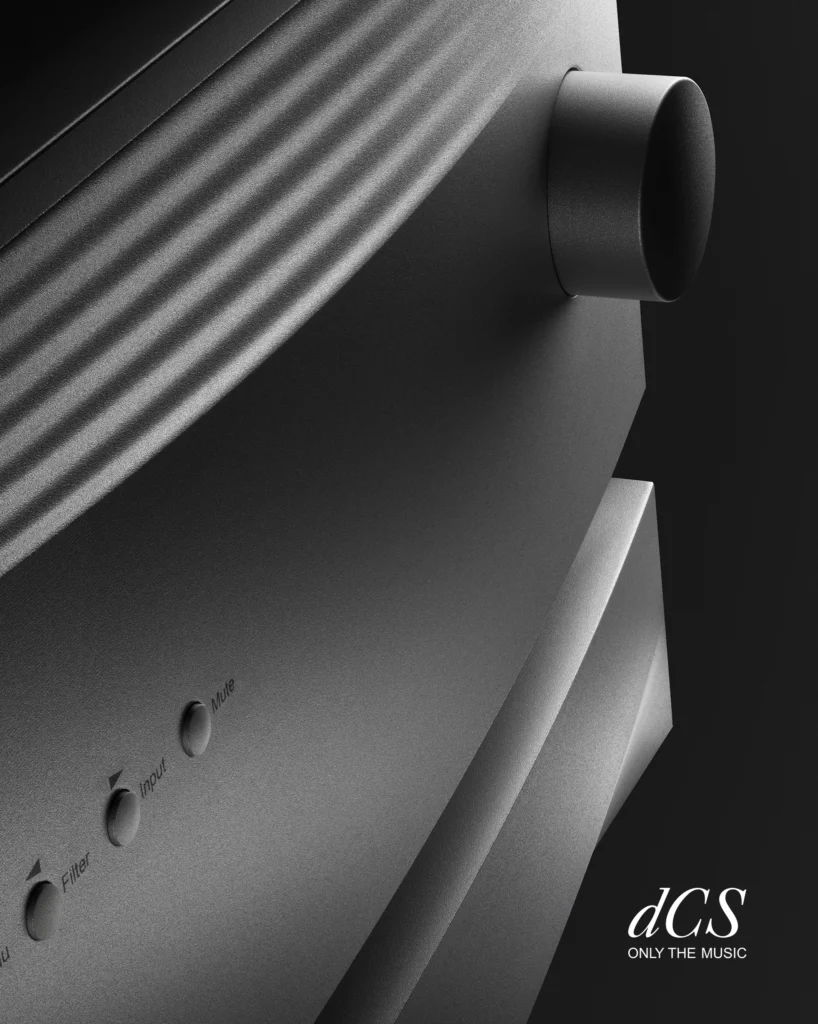
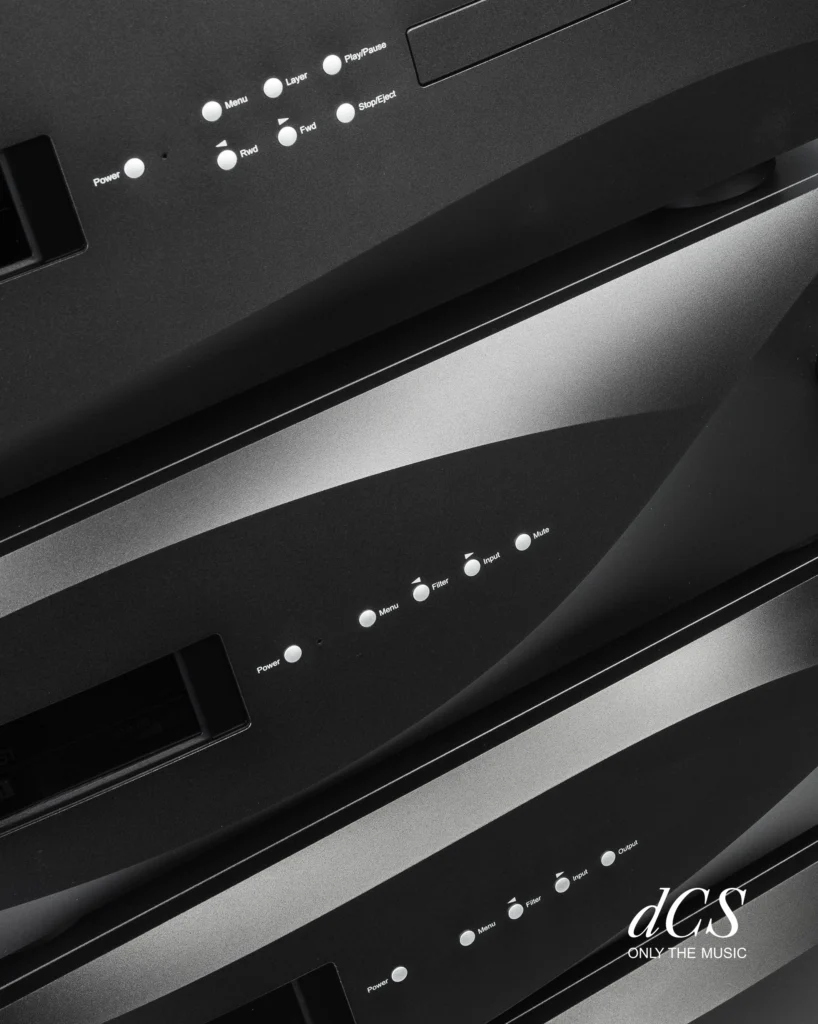
VarèsedCS’s most advanced music system, built without compromise across its own dedicated components.
Vivaldithe reference range, splitting DAC, upsampler, master clock and CD/SACD transport into separate components.
Rossinithe same reference engineering in a more compact format, as an integrated player or as a DAC with matching clock and transport.
BartókDAC, network streamer, preamplifier and headphone amplifier combined in a single chassis.
Linaa compact separates system sized for smaller rooms, comprising DAC, headphone amplifier and master clock.
Model-by-model specifications live on the manufacturer’s site: dcsaudio.com
Common questions about dCS
Why does dCS build its own DAC rather than using an off-the-shelf chip?
Can an older dCS system be upgraded to the current Ring DAC?
What is the difference between the Vivaldi, Rossini, Bartók and Lina ranges?
Does dCS make amplifiers or turntables as well?
Hear dCS for yourself
Come and hear dCS at our showrooms. Tell us what you would like to listen to and we will have it playing when you arrive.